
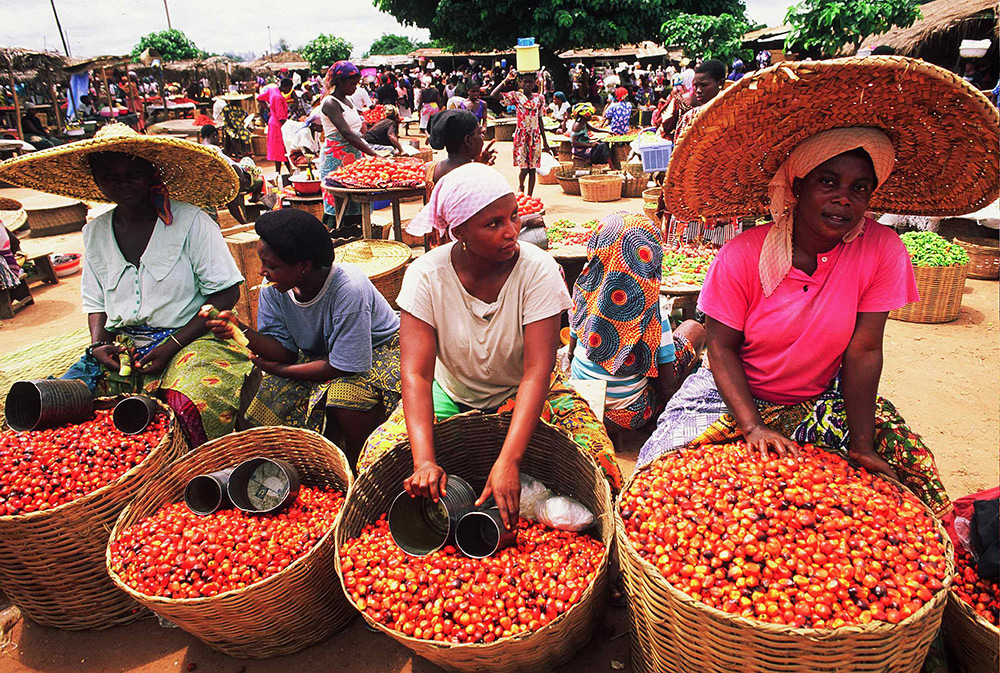
Microinsurance is a mechanism to
protect low income people against risk, such as accident, illness, and
natural disasters, in exchange for insurance premium payments tailored
to their needs, income and level of risk.
The microinsurance sector is a fast-growing industry with a potentially untapped market of over 2 billion people worldwide.
Low-income households and micro, small and medium enterprises are particularly vulnerable to risks,
be they related to health, agriculture, property or death. These risks
often carry heavy financial implications as individuals, businesses and
households attempt to deal with them. Since very few of these groups
have access to efficient and effective formal risk management and social
protection mechanisms, recuperating losses and recovering from shock is
at best difficult, and more often impossible.
Microinsurance provides poor and low-income households with the means to protect themselves against the effects of risk. The role of microinsurance must therefore be viewed alongside government provision of basic health services, employment and education, etc., all of which go towards alleviating poverty.
There are many microinsurance schemes
around the world today, but they still only meet a fraction of the
overall need. It is difficult to estimate how many people are still uninsured or inadequately insured from risks. According to the Global Findex Database*1, two billion people
did not have a bank account in 2014. The number of people who have no
or inadequate insurance is even larger. (To find out about the
percentage cover of microinsurance across differenmt regions of the
world, see our World Map of Microinsurance).
What is easier to measure is what is known as the global insurance protection gap,
measured as the difference between insured and total economic losses as
a share of GDP. A 2012 study by Lloyd's*2 puts the total protection
gap at USD 168 billion and identifies 17 countries as
underinsured, 15 of which are in developing or emerging markets. In
other words, a large portion of risks are uninsured, and the majority of
these risks concern low-income populations in developing and emerging
economies. Further, when looking at the non-life insurance gap over
time, it has been shown that over the past 40 years, the shortfall has
grown continuously from about 0.02 per cent to 0.13 per cent of global
GDP, as total losses have grown significantly faster than insured
losses*3.
Although microinsurance schemes have
become self-sustaining, many still rely on receiving essential support
in the form of grants and technical assistance. For microinsurance to become successful – for both policyholders and insurers – several elements are key.
These include simple and affordable insurance products reaching large
numbers of people, streamlined administration and premium payment,
simplified claims management, and prompt delivery of benefits. All are
important to provide "real value" to the target client.
Microinsurance can also be a tool to extend social protection
in the context of providing security to populations in developing
countries and contributing to poverty alleviation. Overall, strategies
and mechanisms should ensure that microinsurance is not approached in
isolation, thereby maximising impact.
As the world attempts to address the tremendous impact climate change
is having on all regions of the world, it is worth noting that, once
again, the poor and the vulnerable are the most at risk of the dire
consequences that push millions into poverty every year. Insurance can
play a vital role in mitigating these risks and providing risk
management tools to the at-risk and vulnerable, providing both direct
and indirect benefits. A direct benefit is that insurance coverage makes individuals and households more resilient and less vulnerable to risks; the indirect benefit is that wide coverage fosters socio-economic growth on a national level, which in turn, provides more economic opportunities and safety across the world.
*1 Demirguc-Kunt, A., Klapper, L.,
Singer, D. & Van Oudheusden, P. (2015). Measuring Financial
Inclusion around the World. The Global Findex Database 2014, 7255. *2 Cebr. (2012, August). Lloyd’s Global Underinsurance Report. *3
Schanz, Dr., Wang, Dr., Matsushita, K., Millo, G., Savorelli, L.,
Turner, G. & Wong, C. (2014, November). The Global Insurance
Protection Gap.
Disclaimer: "The views expressed on this site are those of the contributors or columnists, and do not necessarily reflect insureghana's position. insureghana.com will not be responsible or liable for any inaccurate or incorrect statements in the contributions or columns here."

InsureGhana Research Desk
Providing independent intelligence and guidance for brokers across West Africa.
Related News
NEWS
NIC Warns Public Against Transacting with Unlicensed Insurance Brokers in Ghana
The National Insurance Commission (NIC) has issued public notices cautio...
PRODUCTS
Choosing the Best Health Insurance: A Customer-Focused Guide
Why Choosing the Right Health Insurance Matters? Health insurance is no...

INSIGHT
Insurance Ecosystem: A Sustainable Approach to Premium Financing
By John Baffour Awuah Barnes (ACIIG, ACIM-UK) The world stands at a pivotal...
Need tailored insurance coverage?
Whether it's marine, motor, or property, our brokers can help you get the best quote in minutes.
Get a Free Quote →